Block Party

How it works
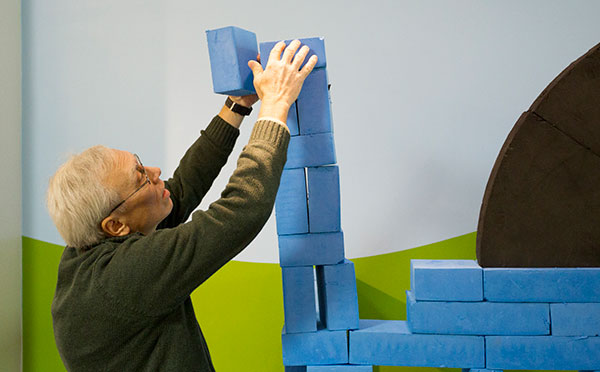
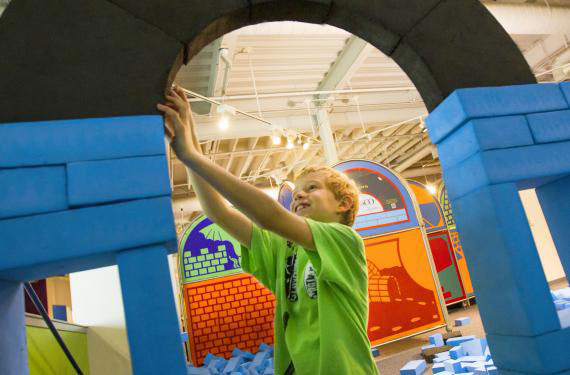
If you look around the Block Party exhibit, you'll see a few suggested Try This! activities you can try. One Try This! helps you experiment with the best method for stacking blocks higher. Another teaches you through trial and error how to use the curved blocks to build an arch without the blocks falling to the floor. But these are just suggestions. Have fun! Build a chair you can sit on (or better yet a throne), build a car you can sit in, build whatever you like! If your creation doesn't quite work out as you planned the first time, think about it and try again.
What's going on?
Simple right? You've probably been playing with blocks since you very young. When you play with blocks you are actually experimenting with the laws of physics. Did you try making the arch? The force of gravity is a constant, and it wants to pull the center of the arch down.
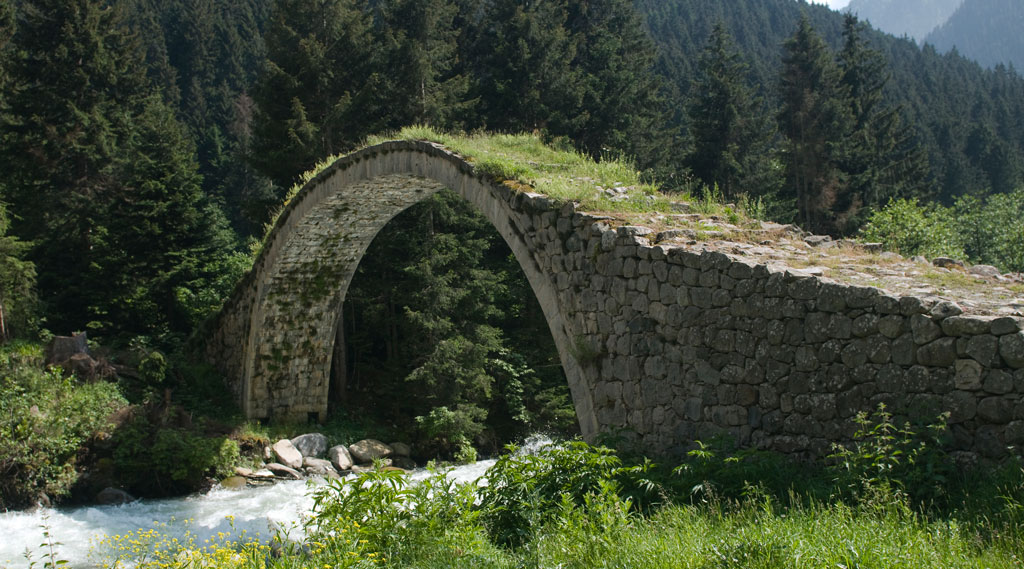
How does an arch resist the pull of gravity? An arch has a series of blocks (or stones), built into the shape of a semicircle. A keystone is positioned in the middle, at the top of the arch. It makes each block press against each other, to transfer the force along the curve, allowing the arch to stand.
Try this at home!
Which bridge would be the strongest? One built from round building materials or one built from flat building materials?
What you'll need:
- 8 small marshmallows
- 18 pieces of uncooked spaghetti
- 4 pieces of uncooked linguine (spaghetti and linguine should be the same diameter)
- 1 paper clip
- 1 envelope
- scissors
- approximately 40 pennies
What you'll do:
- Cut off the lower corner of the envelope for your coin basket.
- Unbend one end of the paperclip to make a hanger and poke it through the top of your coin basket.
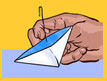
- Construct two pyramids of equal size with your marshmallows and spaghetti.
- Connect the pyramids with a single strand of spaghetti.
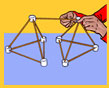
- Hang your coin basket from the bridging piece of spaghetti.
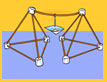
- Add pennies one at a time to the basket.
- Record the number of pennies in the basket at the time the bridging spaghetti strand breaks.
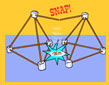
Repeat the experiment three more times to get an average number of pennies needed to break the spaghetti bridge.
What's happening?
Do you think your results will change if you use linguine for the bridge instead of spaghetti? Test your guess by repeating the experiment with the linguine.
The spaghetti made a stronger bridge, right? Why is that? Circles are among the strongest shapes in nature. Stress from weight and force distributes itself evenly throughout a round structure. Spaghetti has a shape like a cylinder, while linguini is shaped like a flattened rectangle. A piece of spaghetti has the same strength in any direction it is bent. Linguini will bend more easily in one direction than another.
In the real world
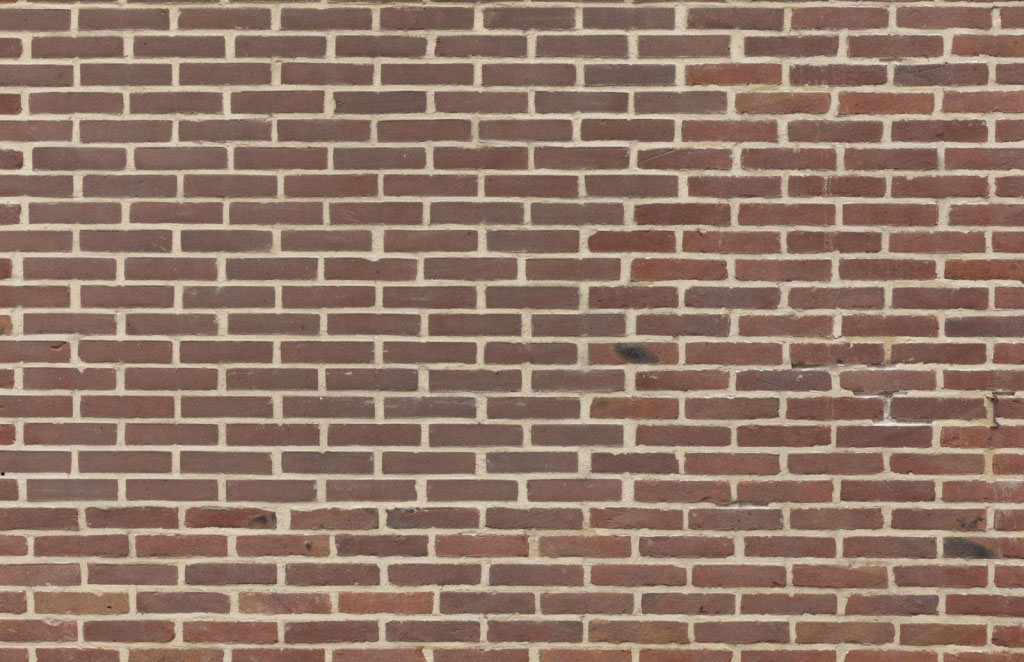
Did you try stacking blocks higher by placing them so that each block is half way over each of the two blocks below it? If you look at how bricks are stacked on a brick building, you'll often see the same pattern.
Were you successful at building an arch that didn't topple over? Buildings or bridges that have arches use the same basic technique for constructing arches.